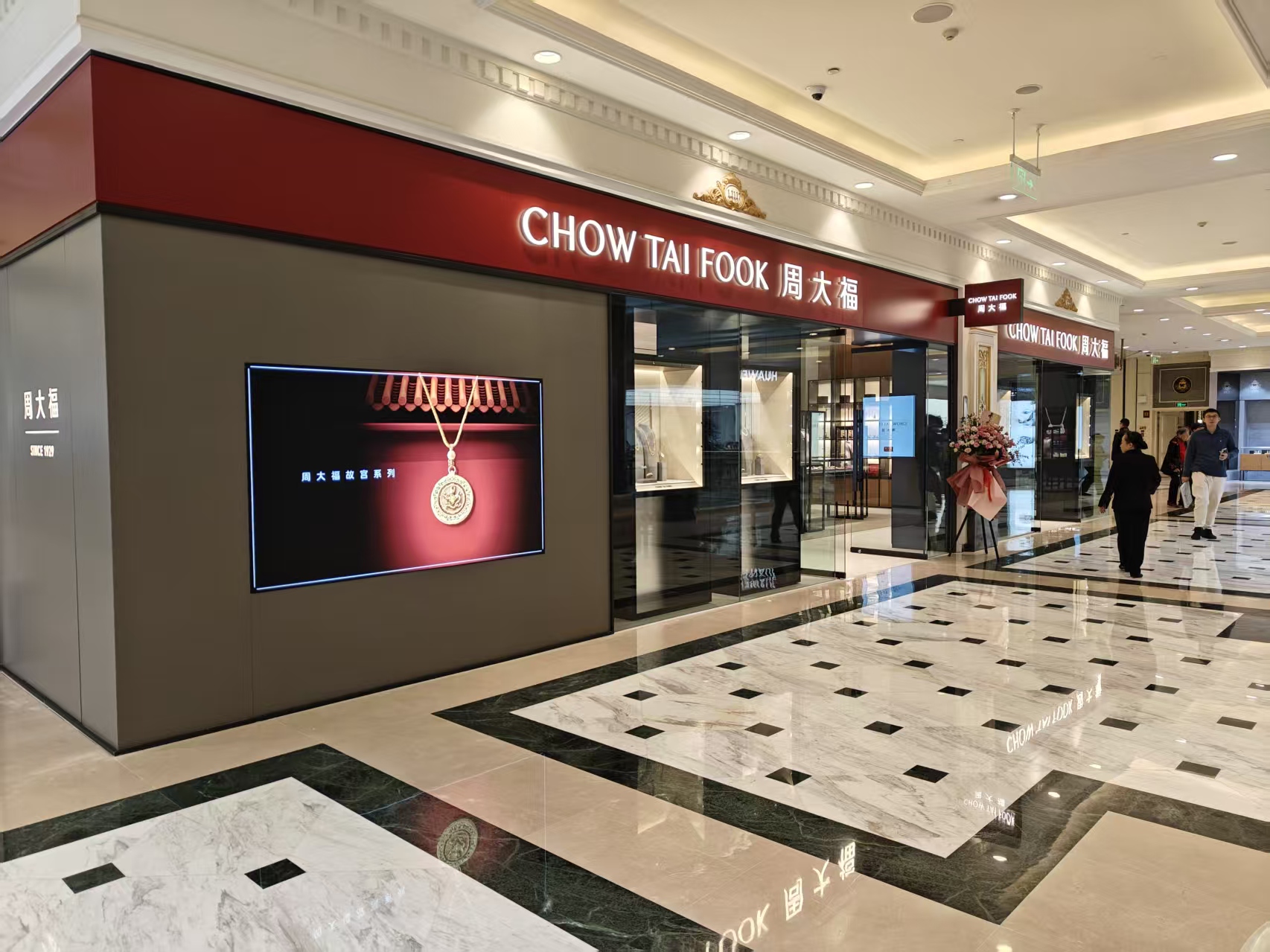
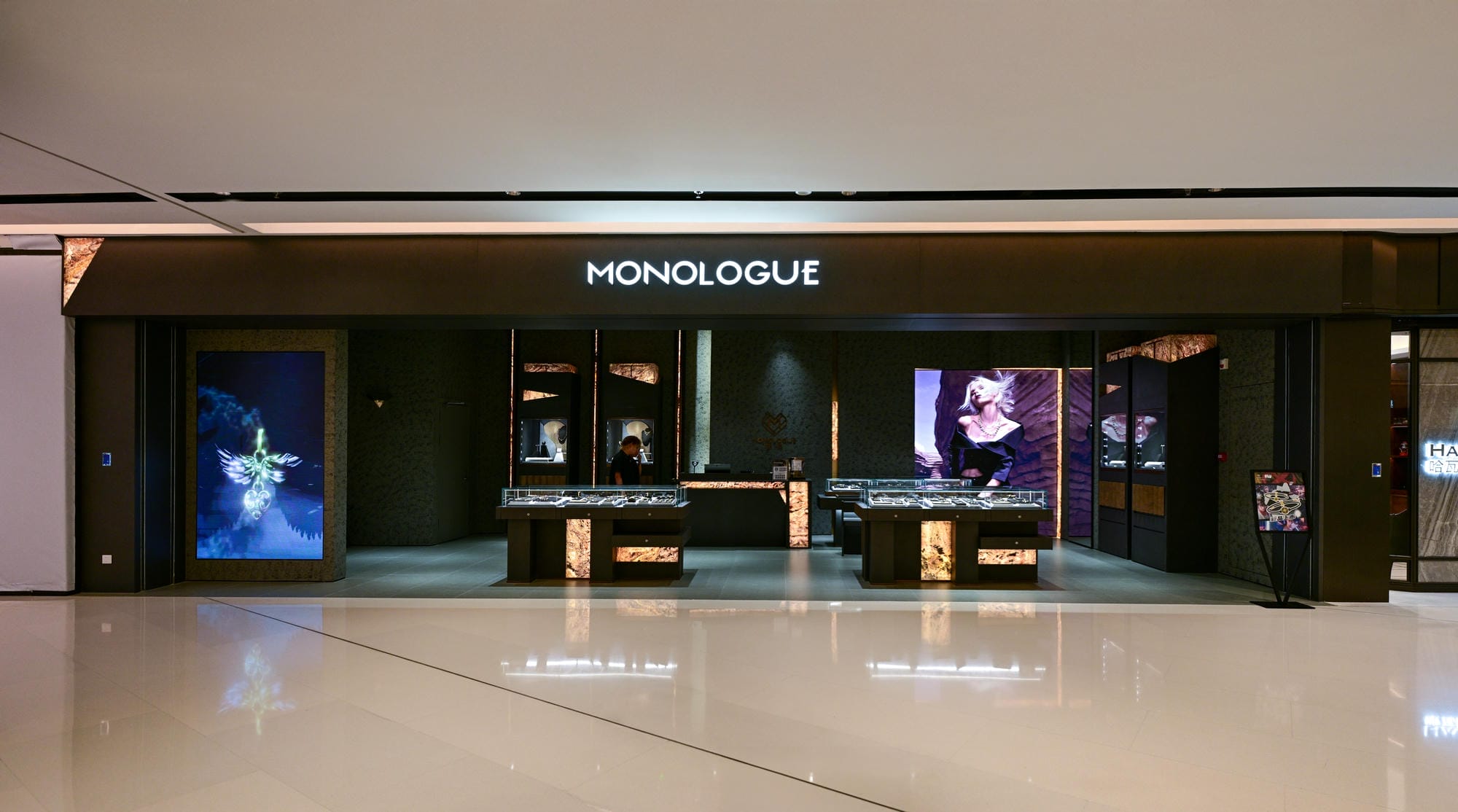
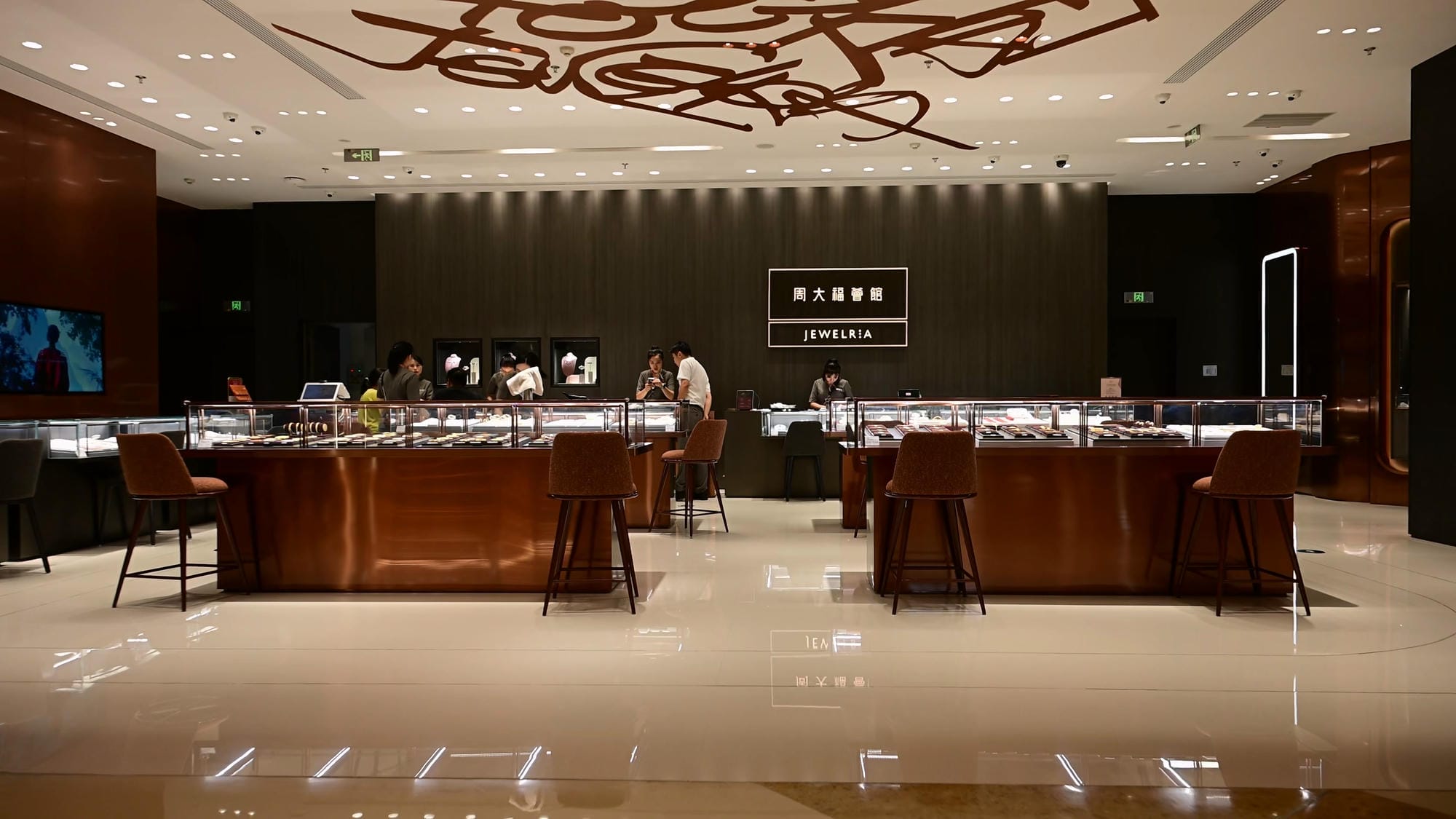
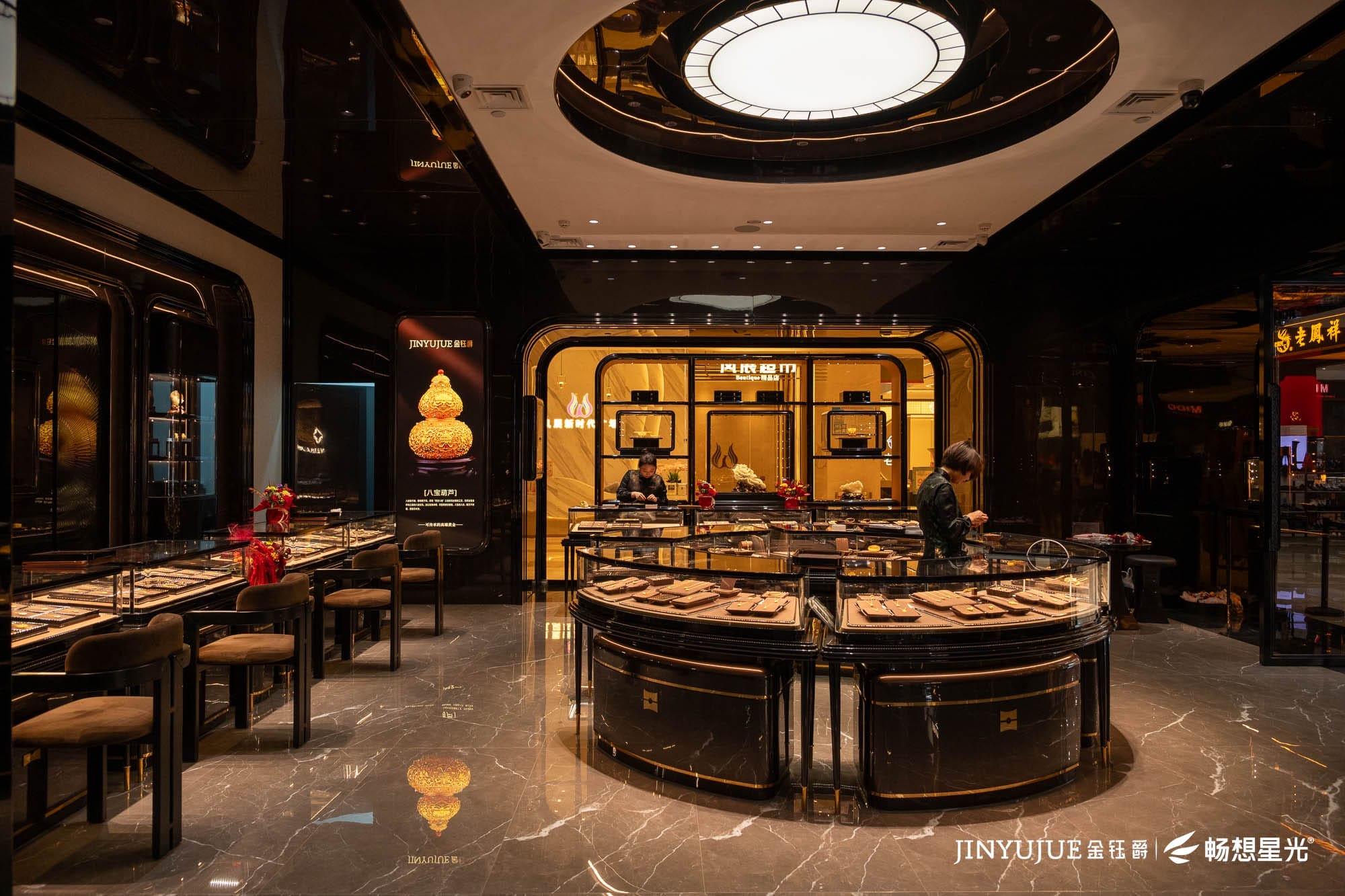
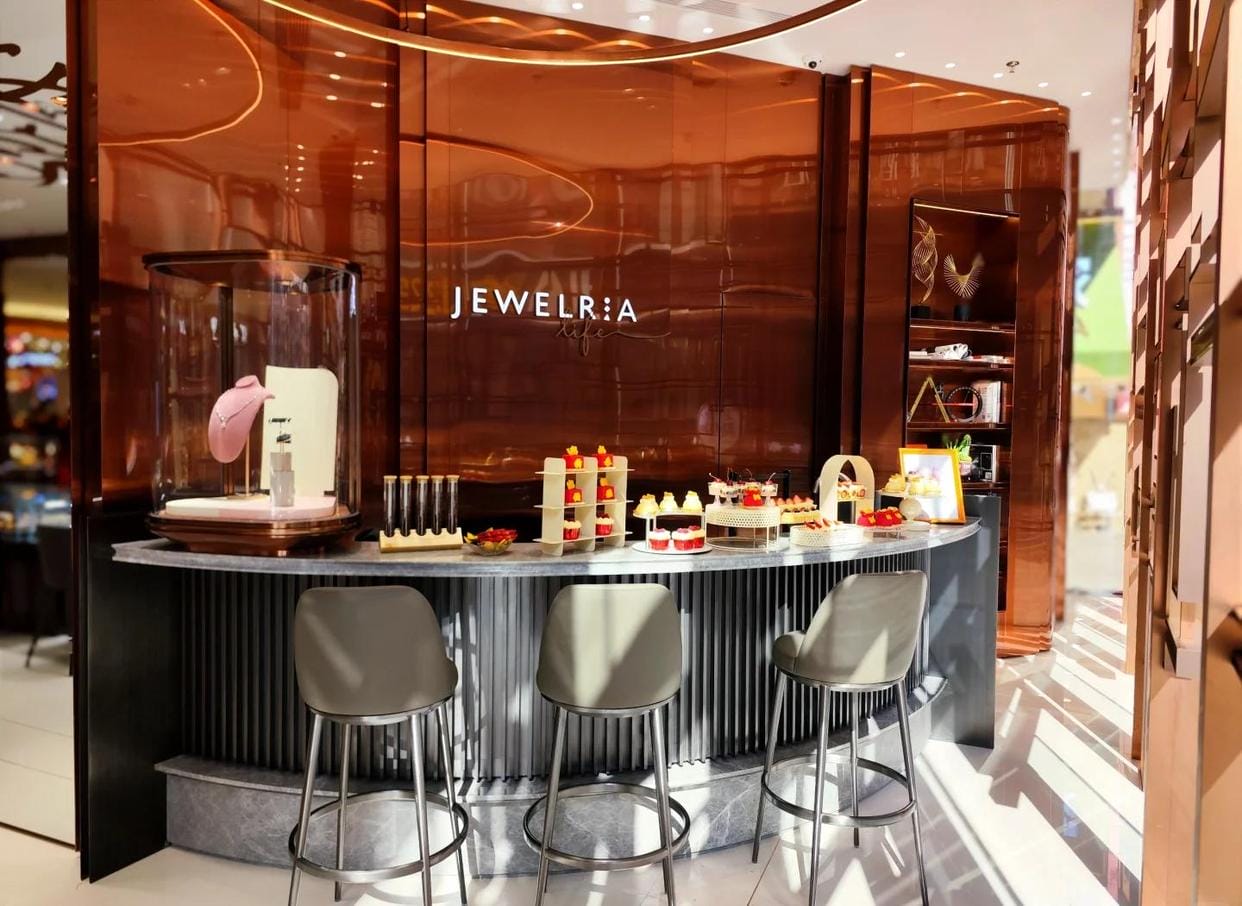
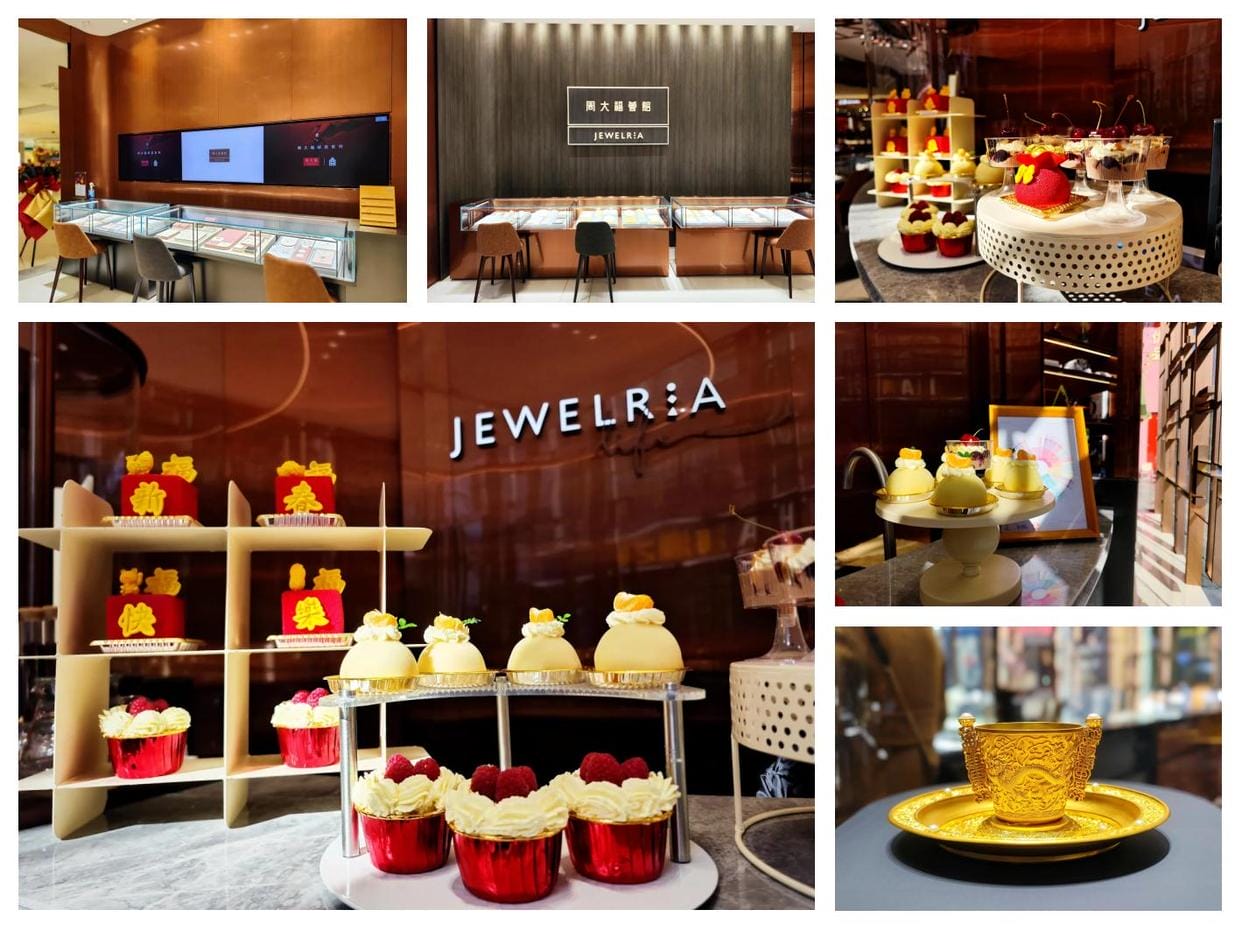
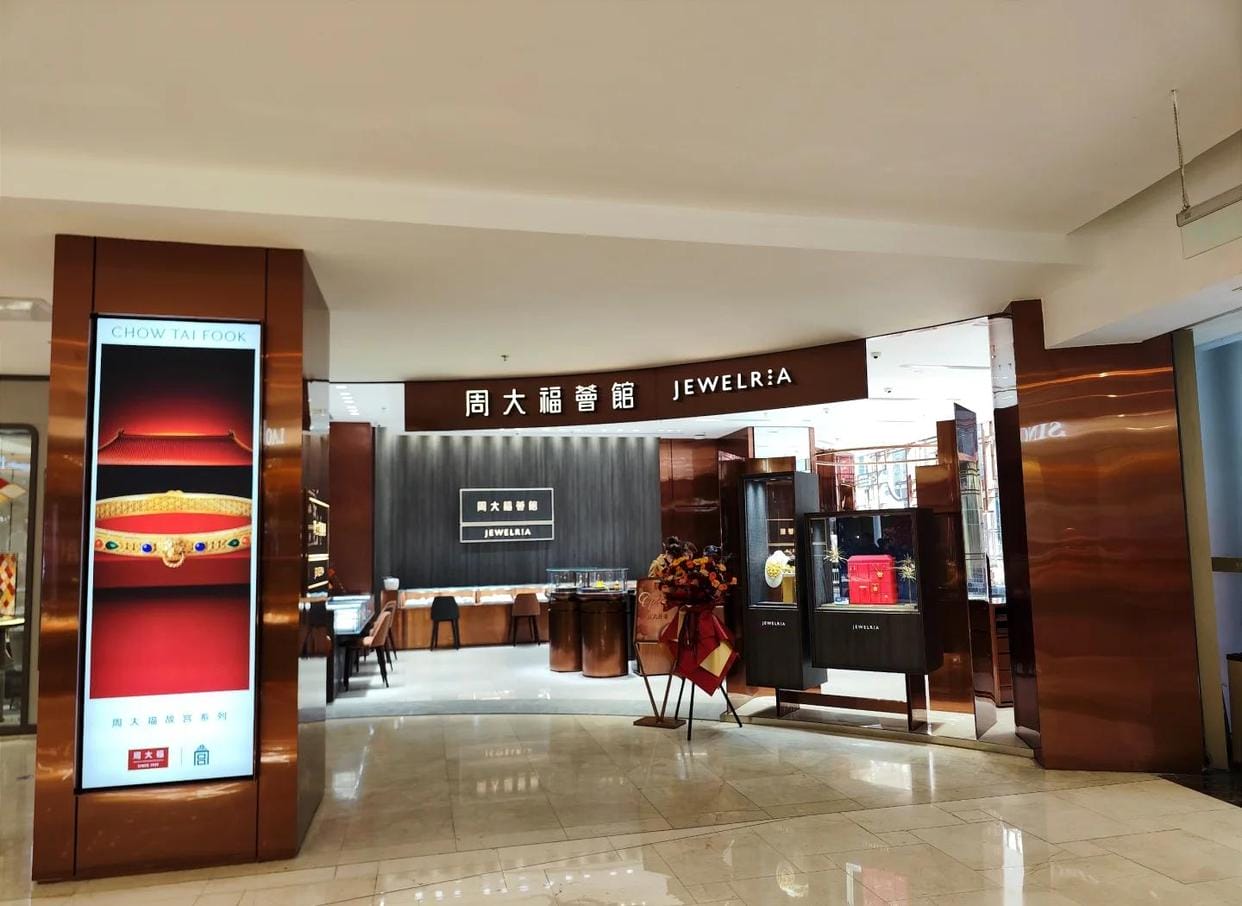
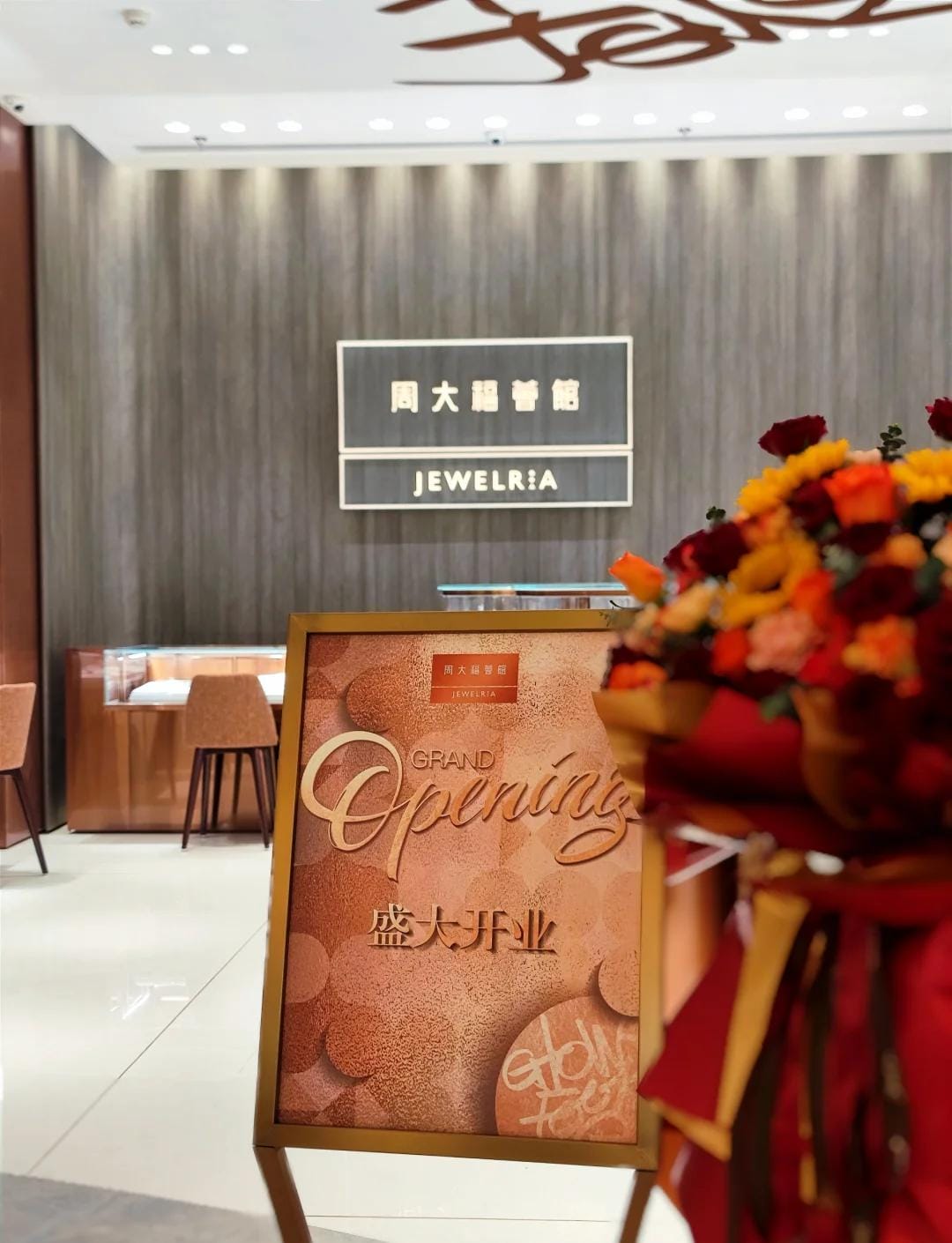
Jewelry lighting case of Chow Tai Fook Hoi Kwan JEWELRIA2.0 Image Nanjing Central Mall Store
Case Details
Case Details
Project Background
Chow Tai Fook JEWELRIA 2.0 is a high-end sub-brand of Chow Tai Fook Jewellery Group, positioned as a "light luxury art jewelry space."
With a core focus on a "museum-style immersive experience," it targets high-net-worth individuals and art enthusiasts. Nanjing Central Shopping Mall, a landmark commercial building in Nanjing's core business district, brings together international luxury brands and local cultural elements, providing an ideal setting for JEWELRIA 2.0 to showcase its brand identity. The lighting design for this store needs to balance the luxurious texture of the jewelry with the immersive feel of the art space, while also incorporating Nanjing's regional cultural characteristics to strengthen the brand's differentiated competitiveness.
Lighting Design Concept
Layered Lighting and Scene-Based Narrative:
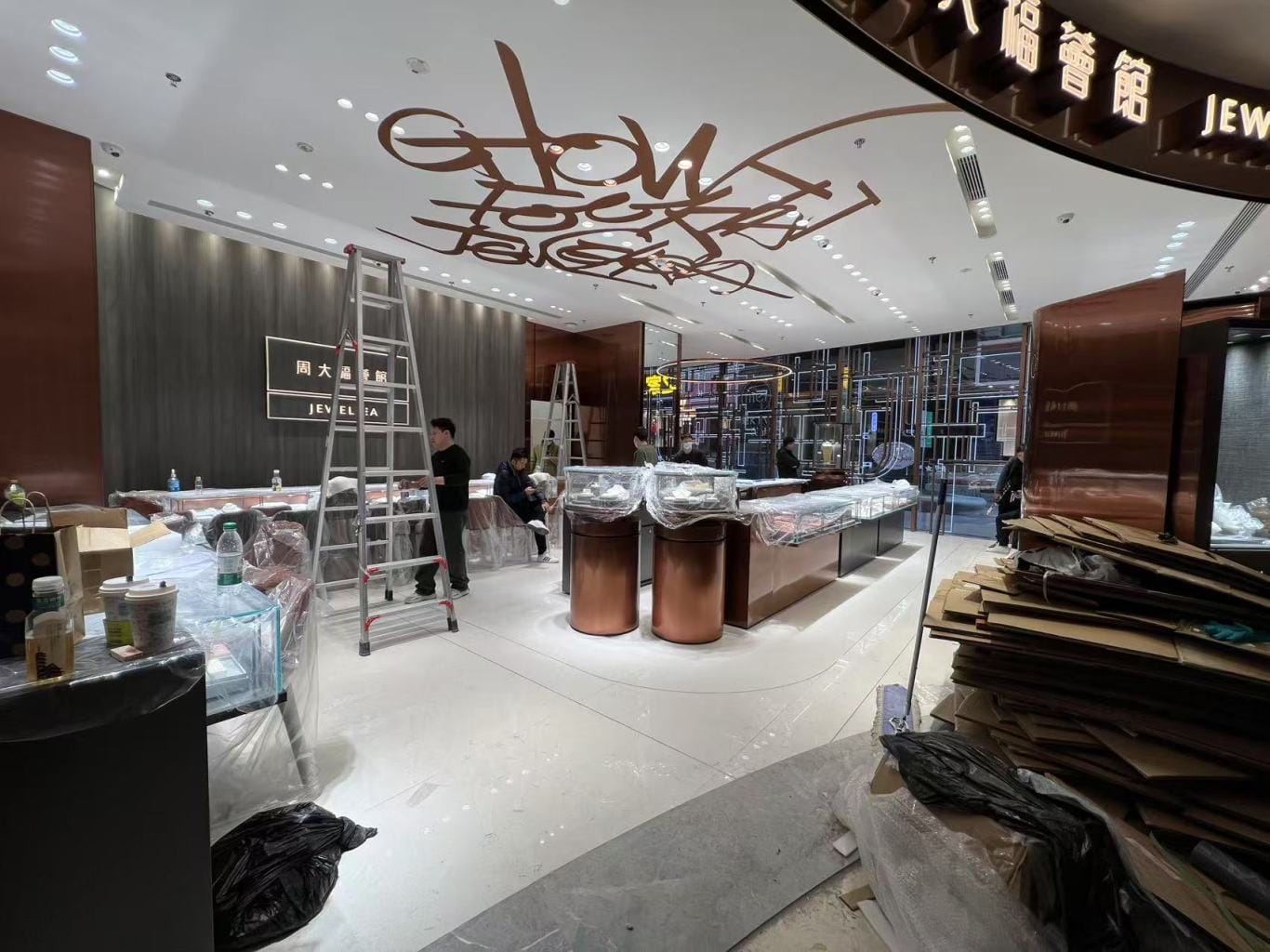
Entrance Art Installation Area: A dynamic lighting system is used, employing intelligent dimming to simulate natural light changes, highlighting the brand's iconic art installations (such as crystal sculptures or
metal hollow out structures), creating a "stunning first impression" to attract customers.
Jewelry Display Area:
Gold and Diamond Area: Embedded LED spotlights provide precise focus; warm light highlights the warm luster of gold, while cool white light restores the brilliance of diamonds, enhancing product layering
through light and shadow contrast.
Colored Gemstone and Craftsmanship Area: Adjustable color temperature LED light strips are used, switching colors according to product characteristics (e.g., warm red light for rubies, cool green light for
emeralds), enhancing the visual appeal of the jewelry.
VIP Immersive Experience Area: Combining soft background lighting with localized accent lighting, and incorporating artistic projection technology, Nanjing cultural elements (such as Yunjin patterns and the
shimmering light of the Qinhuai River) are integrated into the walls, creating an immersive atmosphere of "changing scenes with every step."
Interaction of Materials and Light and Shadow:
Lighting is used to enhance the brand's independently developed craftsmanship techniques (such as the "Ancient Gold" series), highlighting the vintage texture and delicate patterns of the metal, while
avoiding glare.
Light and shadow contrast is used to highlight the uniqueness of the art jewelry, such as placing collaborative pieces (such as those with the Forbidden City Culture or international designers) in separate
lighting zones to create visual focal points. Brand Positioning Empowerment:
The lighting design echoes JEWELRIA 2.0's concept of "the symbiosis of art and jewelry," dynamically showcasing the brand story through light and shadow installations (such as color-changing LED screens),
enhancing customers' identification with the brand culture.
The top lighting adopts a dual layout of "basic lighting + artistic lighting effects," evenly illuminating the space while strengthening brand memory points through light and shadow, balancing commerciality
and artistry.
Implementation Highlights:
Technology Application:
Intelligent Dimming System: Automatically adjusts light brightness and color temperature according to time of day and customer flow, highlighting natural light during the day and enhancing ambient
lighting at night, reducing energy consumption by more than 30%.
Dynamic Projection Technology: Projects Nanjing cultural elements (such as plum blossoms and city wall patterns) onto the walls and floor, enhancing the store's landmark appeal.
Sustainability: Uses high-efficiency energy-saving LED light sources and recyclable materials for lighting fixtures, conforming to environmental trends, and facilitating future maintenance and upgrades through modular design.
Scene Integration: Combining the cultural heritage of Nanjing, the "ancient capital of six dynasties," the lighting design incorporates traditional and modern elements (such as metal hollow out structures
simulating ancient city walls), strengthening the connection between the brand and the region.
Effect Evaluation:
Visual Appeal: Dynamic light and shadow and artistic installations make the store a popular landmark in the business district, increasing foot traffic by 40% and extending customer stay time to over 15
minutes.
Enhanced Experience: The VIP immersive experience area, through the combination of light, shadow, and culture, enhances customer emotional resonance, increasing the conversion rate of high-end products
by 25%.
Brand Differentiation: Through the integration of light, shadow, and regional culture, it strengthens JEWELRIA 2.0's positioning as a "light luxury art jewelry space," becoming a benchmark store in Nanjing's
high-end commercial complexes.
Summary:
This case study perfectly integrates the luxurious texture and artistic immersion of Chow Tai Fook JEWELRIA 2.0 through layered lighting, material interaction, and brand positioning empowerment. It not only
enhances the display effect of jewelry but also creates a unique brand memory point in high-end commercial complexes. The lighting design balances functionality and artistry, creating a "museum-like"
shopping experience for customers, and providing strong support for the brand's market expansion.
Project Highlights
Core advantages
Project BackgroundChow Tai Fook JEWELRIA 2.0 is a high-end sub-brand of Chow Tai Fook Jewellery Group, positioned as a "light luxury art jewelry space."With a core focus on a "museum-style immersive experience," it targets high-net-worth individuals and art enthusiasts. Nanjing C
Project Advantages
Efficient Execution
A professional team that responds quickly, ensuring on-time project delivery and improved execution efficiency.
Expert Technology
Utilizes advanced technology stacks to ensure project quality and provide reliable technical support.
Professional Team
Boasts an experienced professional team that offers comprehensive support and services for the project.
Comprehensive Service
Provides end-to-end services from planning to implementation, ensuring the smooth completion of the project.
Related Cases